Accessibility on Helsinki’s boats
The honest starting point
Boats are not buildings. A gangway at Market Square is a metal ramp between a fixed quay and a floating vessel, and its angle changes with the water and with how many people are already aboard. Sightseeing boats are older and smaller than ferries, and most have a saloon on one level and a sundeck up a short flight of steps. That is the physical reality, and the useful thing I can do is describe it rather than reassure you.
What I would do in your position is treat the public ferry as the default and everything else as something to check first.
Why the ferry is different
The Suomenlinna ferry is part of the city’s public transport network, run by HSL, and it is used by the roughly nine hundred people who live on the islands and the three hundred and fifty who work there. It carries shopping, pushchairs, bicycles and everything else a residential community moves across water. It leaves from the eastern side of Market Square in front of the Presidential Palace, crosses in fifteen minutes, and runs every day of the year, several times an hour in summer and at least hourly in winter, on an ordinary AB ticket valid ninety minutes.
A service designed for daily life is a better bet than a service designed for a day out. The ferry page has the practicalities, and the paying page covers the ticket.
Suomenlinna itself
This is where I have to be blunt. The fortress is eight islands, six of them fortified, construction begun in 1748, and it is built out of rock, cobbles and ramparts. Sections of it are steep, uneven and stepped. There are smooth main routes between the ferry quay and the central parts, and there are stretches of wall and tunnel that are not reachable on wheels. A visit is entirely possible; a visit that covers everything is not.
Plan the main route, expect cobbles, and accept that some of the outer fortifications are a photograph rather than a destination.
The sightseeing loops
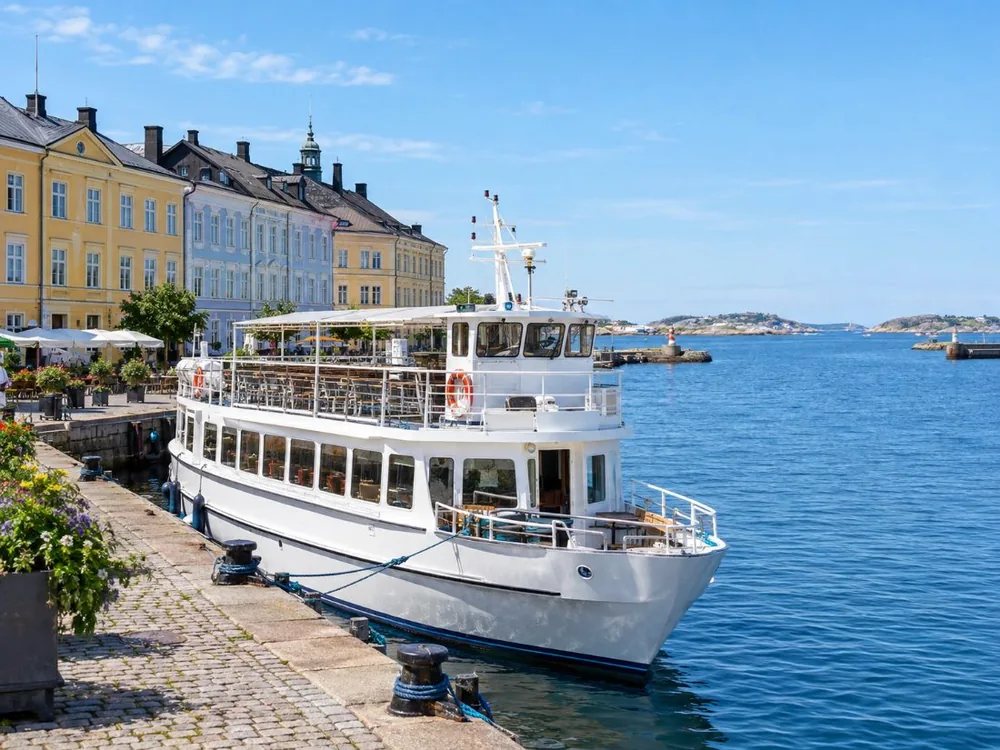
The archipelago loop and the evening cruise both have an indoor saloon and an outdoor sundeck, and on most of these vessels the sundeck is up steps from the saloon. The saloon is where you get the warmth, the seats and the loudspeaker commentary; the sundeck is where you get the best of the route. If you cannot manage steps, you will have a comfortable ninety minutes through a window, and that is a real trade to weigh before booking.
The evening cruise carries toilets, a bar and Wi-Fi, and its commentary is delivered through a downloadable app, which is genuinely useful if you have a hearing impairment: you can run it through your own device at your own volume. The archipelago loop offers the same commentary both over the loudspeaker and as an app in twenty-eight languages, which is the same advantage.
Boarding is by gangway at Market Square, on a working quay, usually with a crowd behind you. Arrive early rather than in the queue; there is no rush once you are the first one there. Where each boat leaves from.
What works
- The public ferry is a daily service for residents, not a tourist vessel
- Loop boats have a heated indoor saloon with seating and speakers
- Commentary is available through an app you control yourself
- The private boat can be arranged around six people and one skipper
- Signs and announcements are in Finnish, Swedish and English
Worth knowing
- Gangways are ramps onto a floating vessel and their angle changes
- Sundecks are usually up steps from the saloon
- Suomenlinna is cobbles, slopes and ramparts by construction
- The RIB requires climbing into a speed boat and is not a candidate
- Small boats have no luggage space for equipment
The private boat, which is the flexible answer
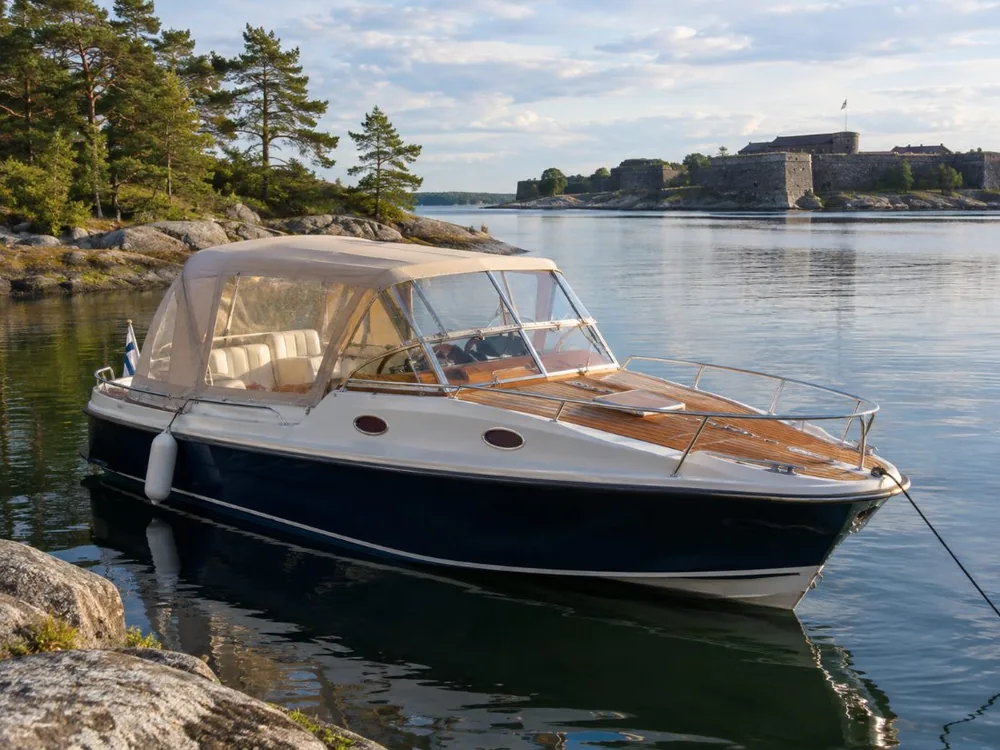
Up to six people, your group only, one to one and a half hours, with a certified skipper who has first-aid training. There is a canopy and closed weather protection, life jackets, bottled water, a fridge and a dining table, and two route options — the Eastern Archipelago or the City Front — with different meeting points. Because it is a private booking with a small group, it is the one product on this site where boarding can happen at your pace, without a queue behind you, and where the route can be shortened if that suits.
I would contact the operator through the booking and describe your needs precisely rather than generally. “Steps are difficult” is more useful than “limited mobility”. The private boat page.
The Tallinn ferry, which is the easiest of all
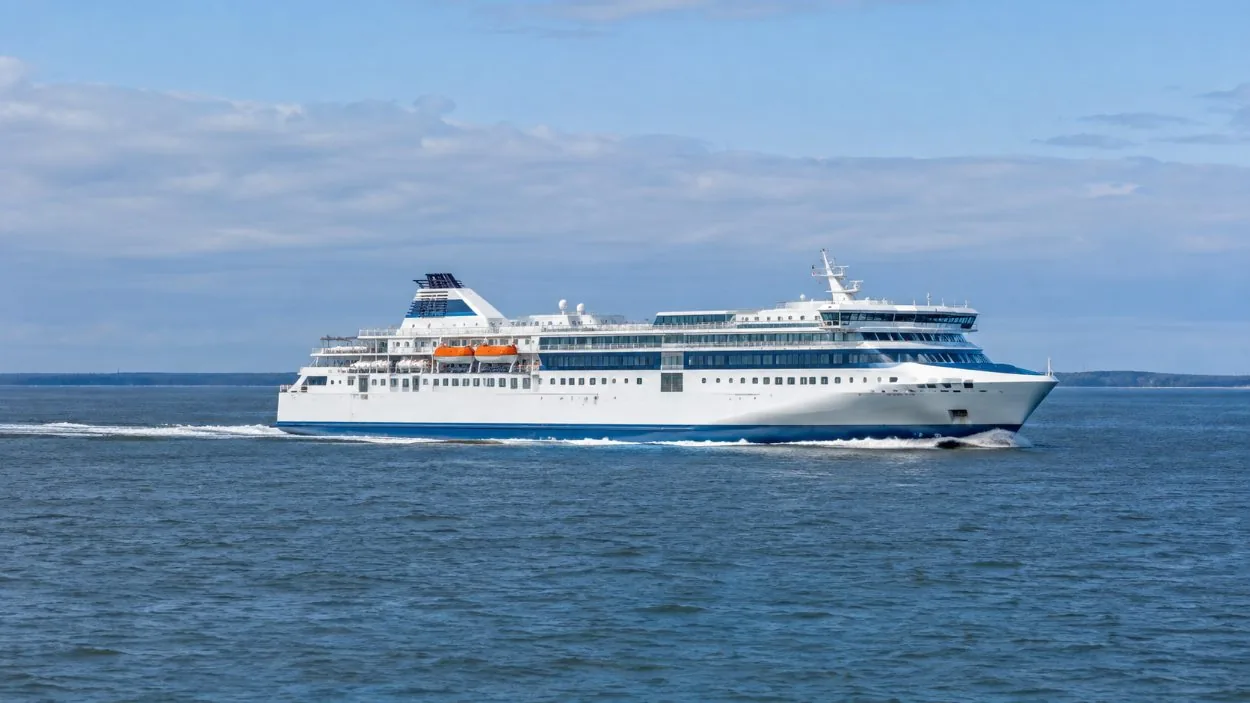
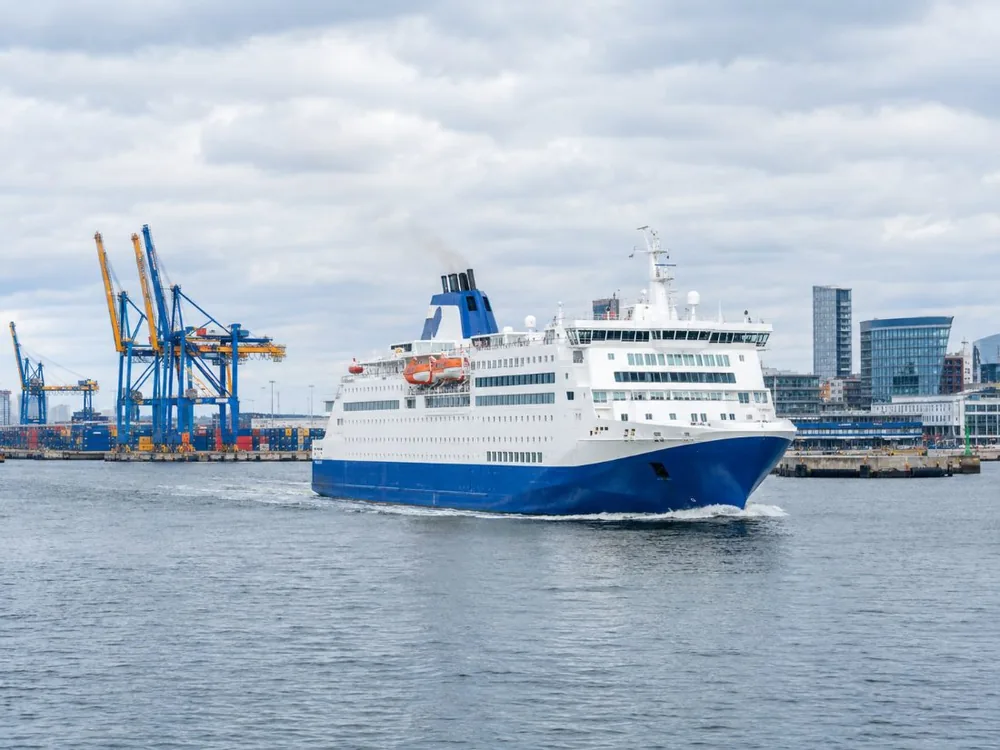
The large ships are the opposite of the small boats. Tallink Silja’s Megastar and MyStar sail from West Harbour (Länsisatama) Terminal 2, with check-in inside the terminal building, lifts, seating, restaurants and shops on board, and a crossing of about two hours. As a piece of transport it is closer to an airport than to a quay.
The difficulty is not the ship, it is Tallinn: a medieval Old Town on a hill, cobbled throughout, with the Toompea upper town reached by slope and stair. The crossing is comfortable and the destination is hard work. The Tallinn day trip and the comparison page.
Ask the operator directly before you book, and be specific about what you need: steps, gangway gradient, wheelchair dimensions, whether a companion travels free. A boat crew can usually solve a problem they know about in advance and can rarely solve one presented at the gangway with forty people waiting.
Getting to the quays
Market Square is flat, central and well served by trams, which is the easiest part of the whole exercise. Katajanokka is on trams 4 and 5; Hernesaari is on tram 6; West Harbour Terminal 2 is in Jätkäsaari and is a tram ride from the centre. Helsinki’s trams and buses are part of the same HSL network as the ferry, so one city ticket covers the connection and the crossing within its ninety minutes.
If you have arrived by cruise ship, the quay you are on changes the arithmetic: the cruise port page.
Hearing, sight and language
The app-based commentary helps if you are hard of hearing, because you control the volume and the language, and it runs in twenty-eight languages on the archipelago loop. If you have low vision, the sightseeing loop is a weaker product for obvious reasons, and I would put the money into the fortress instead, where the interest is physical: walls you can touch, tunnels, the submarine. About half the people in Finland speak English, and signs and announcements in Helsinki are routinely in Finnish, Swedish and English: the English page.
 Leaves from Market Square
Helsinki Archipelago: Sightseeing Boat Tour
 Six people maximum
Helsinki: Private Boat Tour
 Another country by lunchtime
From Helsinki: Return Day Trip Ferry Ticket to Tallinn
One reminder, because it is the mistake I watched most often from the kiosk: the widget above books a sightseeing boat, not the ferry to Suomenlinna. The ferry is run by HSL as part of the city’s public transport, you buy it the way you buy a tram ride, and nobody sells a separate ticket for it here. The ferry has its own page.
Frequently asked questions
Is the Suomenlinna ferry wheelchair accessible?
It is the most accessible crossing in Helsinki, because it is HSL public transport used daily by island residents with shopping, bicycles and pushchairs. The fortress itself is cobbled and stepped in places: the ferry page.
Are Helsinki sightseeing boats wheelchair accessible?
They vary. Boarding is by a gangway onto a floating vessel and the sundeck is usually up steps from the saloon. Ask the operator before booking and describe exactly what you need.
Which boat is easiest if steps are difficult?
The private boat, because it takes up to six people, has a canopy and weather protection, and boarding happens at your pace without a queue: the private boat.
Is the commentary available for hard-of-hearing passengers?
The archipelago loop offers commentary in twenty-eight languages both over the loudspeaker and through a downloadable app you run on your own device at your own volume.
Is the Tallinn ferry accessible?
The ships are large and closer to an airport than a quay, with check-in inside West Harbour Terminal 2. Tallinn's Old Town is cobbled and on a hill, which is the harder part: the Tallinn page.